


Tango: Live Stream, Video Chat
4.6327.92K Reviews
App Specs
- Version
- 9.74.6
- Updated On
- License
- Free
- Downloads
- 100,000,000+
- Developer
- Tango
- Categories
- Social
- Platform
- Android, iOS
Screenshots

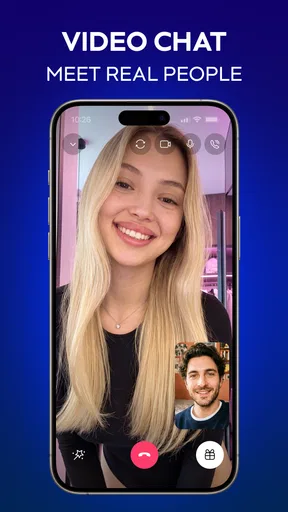

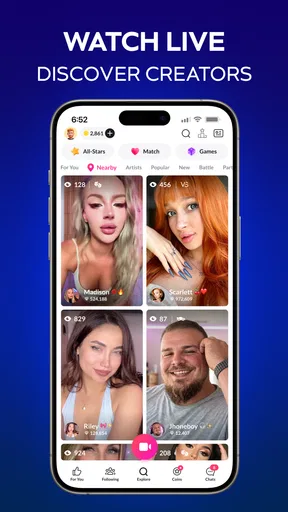
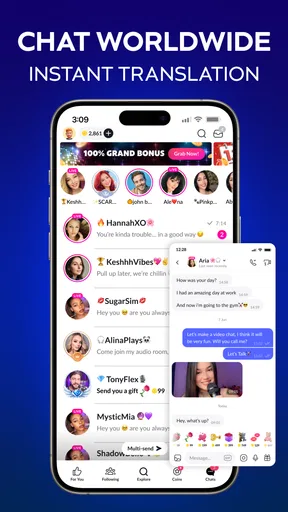
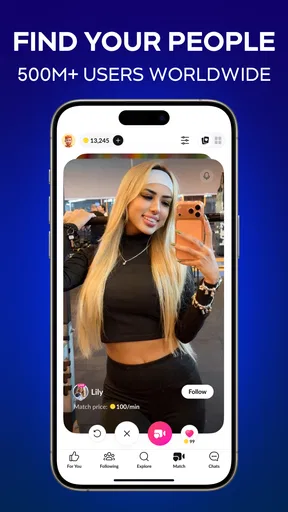

 Analysis by AppCompare
I found Tango most appealing when I treated it as a social space rather than as a simple messaging tool. It combines live interaction, video chat, and matching, so the first session feels more active than opening a conventional chat app and waiting for someone you already know to reply. The app is free to install, belongs to the social category, and is developed by Tango. Its mature audience positioning is important: this is an 17+ experience, not something I would casually hand to a younger user.
My first impression was shaped by how quickly the app encourages discovery. Instead of requiring a carefully built network before it becomes useful, Tango is designed around meeting people in real time. That makes the opening experience lively, especially if you enjoy spontaneous conversations, live interaction, and the possibility of finding new contacts outside your existing circle. It is also easy to understand what the app wants me to do: explore, watch, chat, match, and decide which interactions deserve more attention.
The scale of the community helps explain why the app can feel active. Tango has passed 100 million installs, and its average rating sits at 4.6 from around five million ratings. Those figures do not guarantee that every conversation will be good, but they do suggest that a new user is joining an established social environment rather than an empty experiment. I noticed that this matters most during the first few sessions, when an app either gives me enough activity to explore or makes me wonder why I installed it.
Why the first week feels engaging
During the first week, Tango works best for someone who wants a low-friction way to sample live social interaction. I can imagine using it after work when I want conversation without arranging a call in advance, or during a quiet evening when ordinary social feeds feel too passive. The live format creates a stronger sense of presence than scrolling through static posts, while matching gives the experience a more personal direction than simply watching content.
One useful approach is to avoid treating every new contact as a potential close friend or romantic connection. I had a better experience when I viewed the first conversations as quick tests of compatibility. Does the other person respond naturally? Do they respect the pace of the conversation? Is the exchange enjoyable without constant effort? Making those decisions early prevents the app from becoming a pile of unfinished chats.
The matching element is also more useful when I keep my expectations realistic. A match is an invitation to start a conversation, not evidence that the interaction will become meaningful. That sounds obvious, but live social apps can make early attention feel more significant than it is. I recommend moving slowly, keeping personal details limited at first, and using the first conversations to judge behavior rather than appearances or enthusiastic introductions.
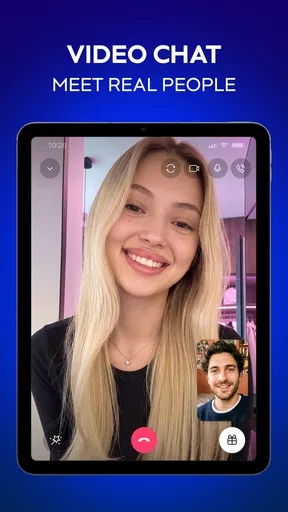
For people who are shy in text-only spaces, video chat can make communication feel more immediate and less ambiguous. Facial expressions and tone can help a conversation feel natural, although that same immediacy can be uncomfortable if I am not ready to appear on camera. Someone who prefers carefully edited messages, complete control over their profile, or a quiet social experience may find Tango more demanding than a traditional messenger.
Worth Reading Before You Choose

Switching to Android Auto Means Rethinking Your Driving Routine

Google Calendar Makes a Crowded Week Easier to Manage

Baby Panda World Brings Quick Play to Modern Phones, but Its Game Library Feels Busy

ESPN’s Live Game View Makes Following Close Games Easier

QuizzLand Review: A Good Fit for Short Trivia Breaks, Not Every Player

Basketball Stars: Multiplayer Is Fast, but Can It Recover When Matches Go Wrong?
The app is also a reasonable choice for users who want to meet people beyond their existing contacts. A standard messaging app is excellent when I already know whom I want to reach, but it does not usually help me discover new conversations. Tango fills that gap. On the other hand, a dedicated dating service may be better for someone whose only goal is a structured romantic search, because Tango’s wider social and live-chat character can produce a less focused experience.
A practical first-week routine
I would begin with short sessions rather than leaving the app open for long periods. Spend a little time exploring live conversations, choose only a few promising contacts, and end chats that feel uncomfortable or repetitive. This approach keeps the discovery phase enjoyable and makes it easier to notice whether the app is actually adding something to my routine.
Another small but valuable habit is to decide in advance what I am comfortable sharing. I would not disclose an address, workplace details, financial information, or private contact channels simply because a new conversation feels friendly. The mature rating should encourage a more careful mindset, especially because live interaction can create a false sense of familiarity very quickly.
For a realistic everyday scenario, imagine someone who has recently moved to a new city. They may use Tango for a brief evening conversation, discover people with similar interests, and gradually return to contacts who communicate respectfully. That is a more sustainable use than chasing constant novelty. The app becomes a tool for widening a social circle, not a replacement for judgment or real-world relationships.
What remains useful after the novelty fades
The month-to-month question is harder than the first-week question. New faces and live conversations are naturally stimulating, but novelty alone is not a durable reason to keep an app installed. In my view, Tango earns lasting space only when I use it with a clear purpose: maintaining selected connections, finding regular conversation, or enjoying live social interaction as a deliberate leisure activity.
The strongest recurring value comes from continuity. If I meet someone interesting, the app gives me a place to continue the exchange instead of starting from zero every time. That can be useful for people who enjoy casual international conversation, social discovery, or a more personal alternative to ordinary feeds. The benefit is less obvious for someone who already has a full social calendar and does not want another stream of conversations to monitor.
I also found that the app makes more sense when I separate discovery from commitment. I can explore broadly at first, then narrow my attention to a small group of contacts. This reduces the feeling that I must answer everyone. It also makes the app feel less like an endless contest for attention and more like a social space I am shaping for myself.
Compared with a typical social network, Tango puts more emphasis on immediate interaction. That can make it feel warmer and more engaging, but it also means I have less distance from other people’s moods and expectations. Compared with a messaging app, it offers discovery instead of relying on an existing address book. Compared with a focused dating app, it is broader and more spontaneous, but potentially less efficient for users who want a carefully filtered path toward a relationship.
That difference is central to deciding whether it belongs in a long-term routine. If I want a controlled list of known contacts, I would choose a messenger. If I want a highly organized dating process, I would look at a specialized dating service. If I want live social exploration and am willing to manage the extra noise, Tango has a more convincing case.
How to make recurring use less chaotic
I recommend creating a personal stopping rule. For example, I might check the app at a chosen time, reply to conversations that still feel worthwhile, and leave when the experience starts to feel like obligation. This is especially helpful in a live environment, where there is always another conversation to discover. Without a boundary, the app can consume attention without producing a lasting connection.
I would also judge contacts by consistency rather than intensity. A person who is charming for one conversation but repeatedly ignores boundaries is not a good long-term connection. Someone who communicates calmly and respects a decision to pause may be more valuable, even if the first exchange is less exciting. This is one of the most important trade-offs in a social matching app: immediate chemistry is memorable, but reliable behavior is what supports a habit.
There is another practical consideration: Tango is free, but it includes in-app purchases ranging from about 29 cents to nearly 1,000 dollars per item. That is a very wide range, so I would treat optional spending as something to control deliberately. I would never make a purchase simply to keep a conversation alive or to compete for attention. Setting device-level purchase protections and deciding on a personal budget before exploring paid elements can prevent an entertaining app from becoming an expensive impulse.
The maintenance burden of keeping the app healthy
Every social app asks for maintenance, but Tango’s live and matching focus makes that maintenance more visible. I need to manage conversations, decide who deserves continued access to my time, and stay alert to interactions that become too personal too quickly. The app is not difficult to understand, yet it can require more emotional attention than a passive feed or a basic messenger.
My first maintenance rule would be to keep the contact list selective. I would not accept every invitation just because the app makes meeting people easy. A smaller group of respectful contacts is easier to remember, easier to answer, and less likely to turn the app into a constant stream of interruptions. This also improves the quality of the experience because I can give genuine attention instead of dividing it among too many weak connections.
The second rule is to review my own availability. Video chat is more intrusive than text, and live interaction can arrive at a moment when I am tired, busy, or simply not in the mood. I would only answer when I can do so comfortably, rather than feeling that every incoming interaction deserves an immediate response. A useful social app should fit around my life, not dictate the rhythm of my evening.
The mature 17+ rating should be taken seriously when deciding who should use the app. I would recommend that adults think carefully about privacy, camera comfort, and personal boundaries before starting. I would also avoid presenting Tango as a safe substitute for meeting people in person without normal caution. The convenience of a screen does not remove the need to verify trust gradually.
Version 9.73.6 is the current version, and the app requires Android 8.0 or later. That makes checking device compatibility straightforward for Android users, but compatibility is only one part of the decision. I would also consider whether my phone, schedule, and attention are suited to live communication. Someone with an older device that struggles with current social apps, or someone who dislikes camera-based interaction, may be happier with a lighter text-first service.
Where the upkeep becomes worthwhile
The maintenance feels justified when Tango helps me maintain a few enjoyable connections that would otherwise disappear. It can also be worthwhile for someone who regularly seeks conversation and likes the unpredictability of meeting new people. In those cases, filtering is not wasted effort; it is the process that turns a large social environment into something personally useful.
For a user who only wants occasional contact with close friends, the upkeep is harder to justify. A conventional messenger will usually be simpler because it avoids discovery, matching, and the need to evaluate strangers. Likewise, if I am looking for a quiet app to use before sleep, live social interaction may be too stimulating and socially demanding.
Where fatigue starts to replace enjoyment
The biggest source of fatigue is repetition. Discovery can feel exciting at first, but repeated introductions, shallow questions, and conversations that end without direction can make the app feel like work. I noticed that the experience improves when I accept that not every interaction needs to continue. Trying to rescue every weak conversation is a fast way to lose interest.
Another source of fatigue is the mismatch between attention and value. Live apps are good at making the present moment feel important, yet not every moment leads to a meaningful relationship. If I spend a long time moving from one interaction to another without remembering anyone afterward, the app is providing stimulation but not much lasting value.
Video can intensify that problem. It is more expressive than text, but it also demands preparation, privacy, and emotional energy. I may be willing to send a short message while commuting or taking a break, but I may not want an unexpected camera conversation. Users who prefer asynchronous communication should think carefully about this trade-off before making Tango their primary social app.
Paid elements can create another kind of pressure. Because purchases can range from very small amounts to extremely expensive individual items, I would not browse them casually when I am bored or trying to impress someone. The sensible approach is to enjoy the free experience first and decide whether any paid option offers a clear benefit. If spending starts to feel connected to social status or keeping someone’s attention, I would step back.
There is also a risk of confusing availability with compatibility. A large community means more opportunities to meet people, but it also means more conversations that will not suit me. I would rather have a short, respectful exchange than chase a high volume of contacts. That mindset makes the app less tiring and protects the reason I opened it in the first place.
Who should skip it
I would skip Tango if I strongly dislike meeting strangers through live video, if I want a strictly private network of people I already know, or if I have difficulty limiting optional spending in social apps. I would also avoid making it my main choice if my goal is a formal dating process with detailed filters and a clearly defined relationship path.
It may not be ideal for someone who wants every interaction to be slow and carefully considered. Tango’s appeal comes from immediacy, and immediacy is not automatically a virtue. People who need more control over timing, identity disclosure, and conversation structure may find a text-first community or a specialized service more comfortable.
On the other hand, I would recommend trying it to adults who enjoy live conversation, want to expand their social circle, and are comfortable applying firm boundaries. The app is particularly suited to people who can enjoy a brief interaction without demanding that it become a friendship, romance, or daily habit.
My long-term verdict on Tango
After the initial excitement fades, Tango can earn a permanent place on a phone, but only for a specific kind of user. Its lasting value is not simply the number of people available or the energy of live discovery. It comes from whether I can turn that activity into a small set of respectful, enjoyable connections without allowing the app to take over my attention.
I like the combination of live chat, video interaction, and matching because it gives the experience more direction than a passive social feed. The broad community also makes discovery feel realistic rather than empty. At the same time, the same openness creates noise, repetition, privacy concerns, and a need for stronger personal boundaries than I would need in a normal messenger.
The free entry point makes trying it easy, but the wide range of in-app purchase prices means I would approach spending carefully. I would use the app without assuming that money improves the quality of a connection. The mature age rating is another meaningful part of the decision: Tango is better suited to adults who understand the difference between online familiarity and genuine trust.
My final recommendation is conditional but positive. Install it if you want spontaneous social discovery and are willing to curate your experience. Give it a fair trial through short sessions, keep only conversations that show mutual respect, and set a spending boundary before exploring optional purchases. If you do that, Tango can remain useful after the novelty wears off.
If what you really want is a quiet tool for close friends, a focused dating workflow, or a completely controlled text-only environment, I would choose a different category of app. For me, Tango works best in the middle: more immediate than ordinary social networking, broader than dedicated dating, and rewarding when I treat it as a selective habit rather than an endless source of new attention.
Pros
- Easy to discover live streams based on interests and activity.
- Supports private video chats for more personal conversations.
- Virtual gifts add interactive ways to support favorite creators.
- Frequent live events keep the platform feeling active and engaging.
- Available on both Android and iOS devices.
Cons
- The app can consume significant battery during extended live streams.
- Some features and gifts require in-app purchases or paid credits.
- Busy chats may make it difficult for new users to get noticed.
- Content quality and moderation can vary between individual streams.
- A stable
- fast internet connection is needed for smooth video calls.
FAQs for Tango: Live Stream, Video Chat
What is Tango: Live Stream, Video Chat used for?
Tango is a social entertainment app that lets users watch live broadcasts, start their own streams, chat through text or video, and meet people from different countries. You can follow favorite creators, join interactive live rooms, send messages, and participate in conversations. The app is designed for real-time social interaction rather than private messaging alone, so the content and people you encounter can vary considerably.
Is Tango: Live Stream, Video Chat free to download and use?
Tango can generally be downloaded for free on supported Android and iOS devices, and many basic features are available without payment. However, the app may include virtual gifts, coins, subscriptions, or other optional purchases used during live interactions. Before buying anything, check the displayed price and payment details carefully. In-app purchases can add up quickly, especially when supporting streamers or participating regularly.
Is Tango safe for children and younger teenagers?
Tango is intended for mature audiences because live broadcasts and video chats are created by users and may include adult themes, strong language, flirtatious behavior, or unexpected conversations. Parents should review the current age rating, privacy settings, and account controls before allowing access. Younger users should not share their real name, location, school, phone number, passwords, or personal photos with strangers.
Can I control who contacts me or report inappropriate behavior on Tango?
The app provides social and moderation tools that can help you manage unwanted interactions. Depending on the version and account settings, you may be able to block users, report broadcasts or messages, and adjust privacy or notification preferences. These tools are useful, but they cannot prevent every unpleasant encounter. If someone pressures you for money, personal details, or private images, end the conversation and report the account.
What permissions and internet connection does Tango require?
Tango relies on an internet connection for live video, streaming, messaging, and calls, so performance depends on your Wi-Fi or mobile data quality. During setup, the app may request access to the camera and microphone for broadcasting or video chat, along with notifications and other optional permissions. Review each request carefully, allow only what you need, and remember that live video can consume significant mobile data and battery.


